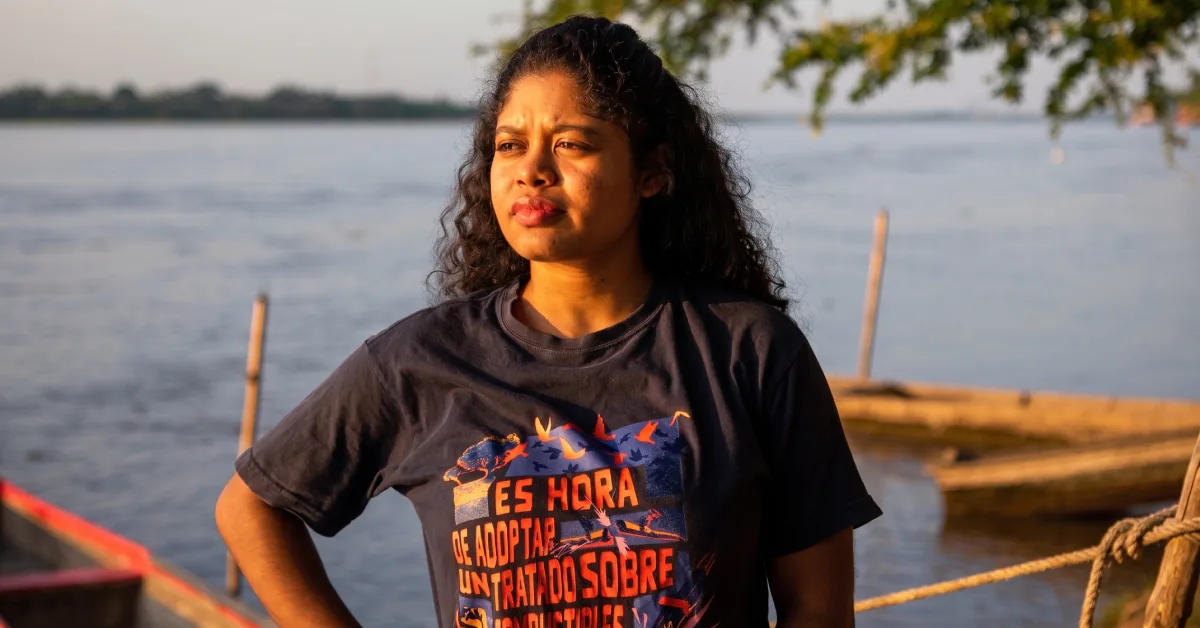
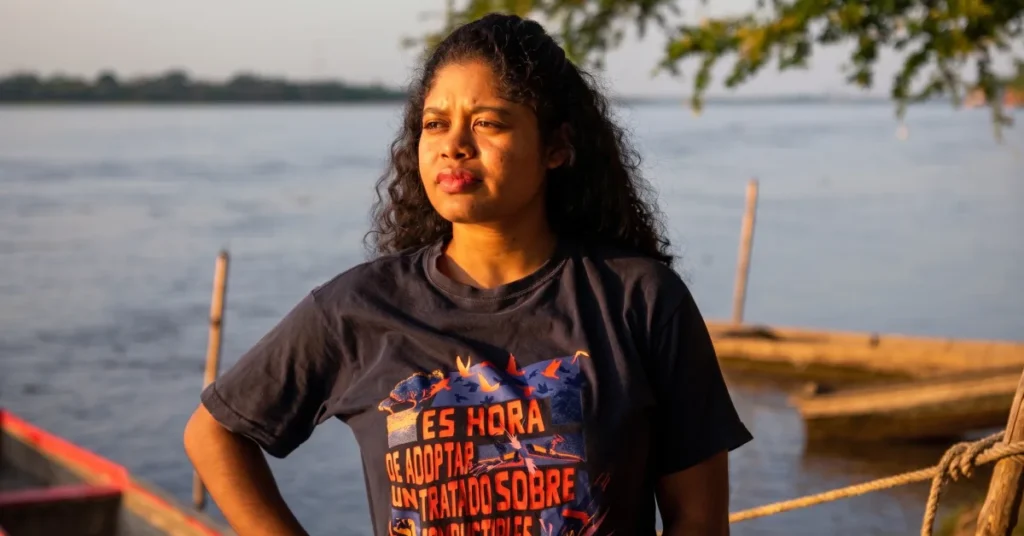
For Yuvelis Morales Blanco, the Magdalena River has always been part of home.
She grew up in Puerto Wilches, Santander, in an Afro-Colombian fishing family with three generations connected to the river. In Colombia’s Magdalena Medio region, the river and its wetlands support fishing, wildlife, water supplies, work, and family life.
That connection shaped how she saw the risks of more oil and gas development.
In 2018, the Lisama 158 oil-well emergency contaminated waterways elsewhere in the wider Magdalena Medio. It did not happen in Puerto Wilches, but it became a warning for Morales Blanco about what pollution can mean for communities that depend on rivers and wetlands.
Later, while travelling to study environmental engineering, she saw signs advertising proposed fracking projects near her hometown. The issue was no longer distant or technical. It raised a simple question: what could happen to the river, wetlands, and fishing families who rely on them?
Morales Blanco became one of the young people who helped turn that concern into a wider community campaign.
Why the Magdalena River mattered to the campaign
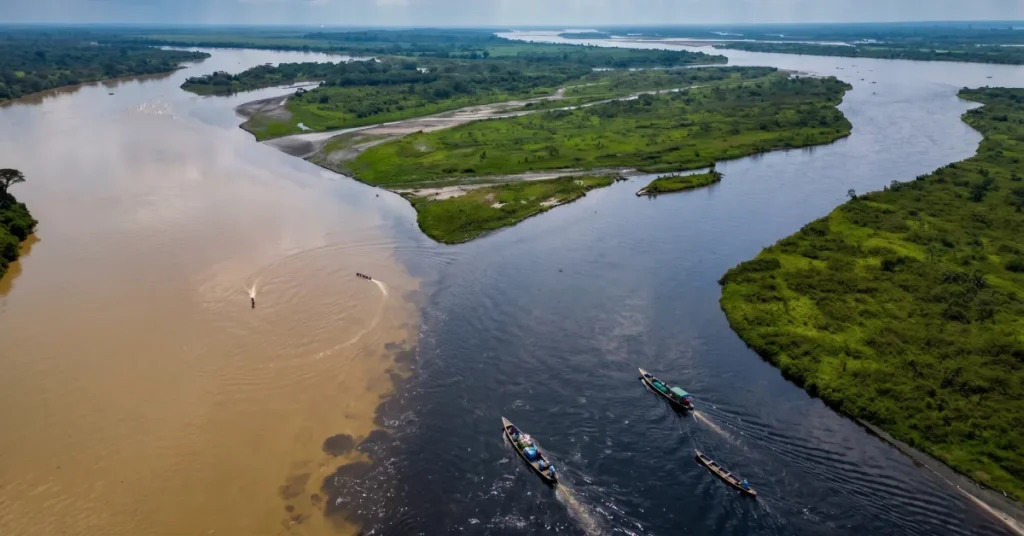
Puerto Wilches lies in a landscape shaped by rivers, floodplains, and wetlands. These waters are connected. What affects one part of the system can affect fish, wildlife, fishing grounds, and daily life nearby.
For river communities, protecting water is not only about environmental rules. It is about food, local work, family traditions, and the future of the place they call home.
Morales Blanco understood this through her own family’s experience. She helped neighbours learn about the proposed projects, share concerns, and take part in decisions affecting their territory.
Why fracking in Puerto Wilches worried residents
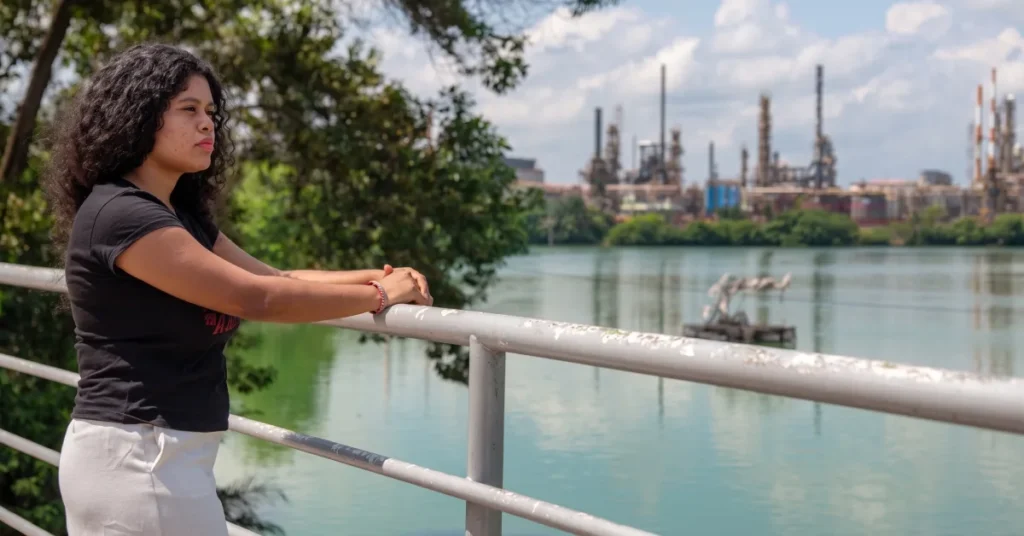
Fracking, or hydraulic fracturing, extracts oil or gas by injecting fluid at high pressure into underground rock.
In 2019, Colombia announced two Ecopetrol-led research pilots near Puerto Wilches: Kalé and Platero. Many residents worried that the pilots could lead to wider commercial fracking in a region where rivers, wetlands, and fishing livelihoods already faced pressure from decades of oil activity.
Their concerns also raised an environmental justice question: who gets to make decisions when a project may affect the land and water that local communities depend on?
In March 2022, Colombia’s National Environmental Licensing Authority, or ANLA, granted Kalé an environmental licence as a research pilot. The licence covered one platform and one hydraulic-fracturing well. ANLA said it did not authorize commercial fracking.
That distinction matters. Kalé and Platero were proposed research pilots, not evidence that commercial fracking had taken place in Puerto Wilches.
How a youth campaign became a community movement
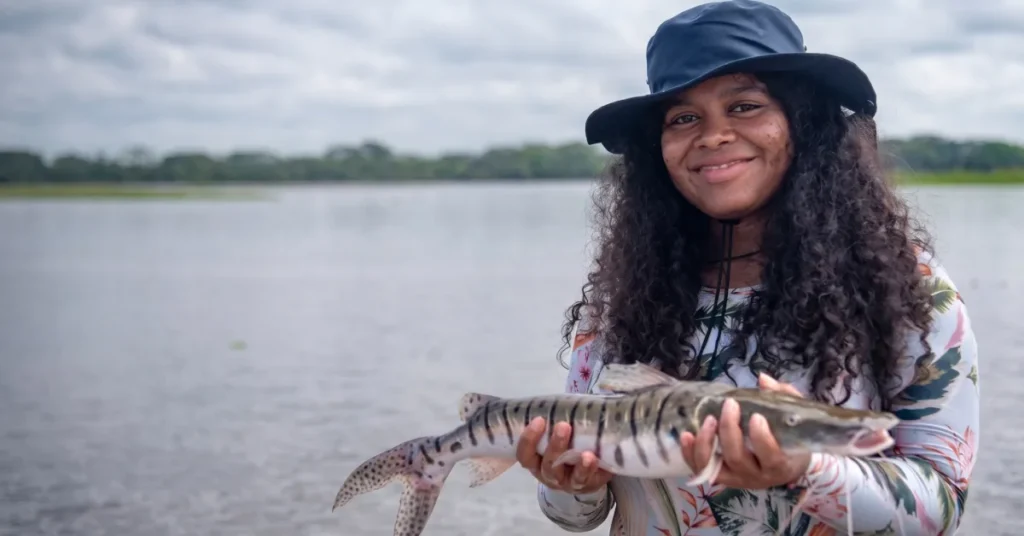
Morales Blanco joined anti-fracking meetings linked to the Alianza Colombia Libre de Fracking, or Colombia Free from Fracking Alliance. With other young people, she later co-founded Aguawil, a youth group focused on defending water, life, and territory.
Their work brought a technical issue back to everyday concerns. Organizers used door-to-door outreach, community meetings, public education, testimony, and demonstrations. Fishers, young people, rural residents, AfroWilches, allied rights organizations, and the wider anti-fracking alliance all played a part.
On December 12, 2020, Puerto Wilches held a major march against the proposed projects. By then, people were talking not only about energy policy, but also about water, territory, community rights, and the town’s future.
Morales Blanco became one of the campaign’s visible public voices. In 2021, she spoke at a congressional hearing on fracking. The movement, however, did not rest on one person. It grew because people with different experiences found common ground around the Magdalena River and the right to be heard.
Threats and the fight for prior consultation
During mobilization around Kalé’s permit process in February 2022, Morales Blanco reported threats and intimidation. Colombian media reported that she left the country for protection after she and allied organizations raised the threats. No responsibility has been established, and Ecopetrol rejected allegations that it was responsible.
Her departure showed the risks faced by environmental defenders in Colombia. The work in Puerto Wilches continued through local organizing and legal action.
A central part of the legal case involved AfroWilches, an Afro-descendant community in the area. AfroWilches argued that it had not received free, prior, and informed consultation before the Kalé and Platero projects moved forward.
Prior consultation is more than a public meeting. It is a legal right for Indigenous and Afro-descendant peoples when projects may affect their territory and collective rights. It gives communities a meaningful role before decisions are made.
In 2022, a tutela ruling paused Kalé’s environmental licence and the Platero licensing process while consultation with AfroWilches was addressed. Later, in judgment T-514 of 2023, Colombia’s Constitutional Court found that AfroWilches’ right to prior consultation had been violated in relation to Kalé and Platero.
The ruling was not a nationwide ban on fracking. It did, however, make clear that communities cannot be treated as an afterthought when projects may reshape their land, water, and future.
What changed—and what remains unresolved
The community campaign and legal action helped create barriers to commercial fracking moving forward in Colombia.
In November 2022, Ecopetrol said it would not conduct fracking in Colombia. The company also said it had unwound its cross-participation arrangements with ExxonMobil for Kalé and Platero and had requested suspension of the contracts it operated.
These were major gains for the movement, but they did not settle every question in Puerto Wilches. As reported in August 2026, Kalé still held its 2022 environmental licence but remained suspended pending prior consultation with AfroWilches.
Commercial fracking did not move forward in Puerto Wilches. The project, however, has not been permanently removed from the legal and administrative record. A suspended project can still require public attention, legal protection, and community participation.
In April 2026, Morales Blanco received the Goldman Environmental Prize for her environmental justice leadership. The award brought international attention to Puerto Wilches while also reflecting the collective work of Aguawil, AfroWilches, fishers, young people, residents, legal advocates, and the Alianza Colombia Libre de Fracking.
Protecting a river means listening to its people
Yuvelis Morales Blanco’s story is about more than fracking in Puerto Wilches. It shows how local knowledge, youth leadership, public education, and legal rights can bring national attention to a local environmental conflict.
The Magdalena River is not simply a setting for an energy dispute. For many people in Magdalena Medio, it is work, food, memory, culture, and home.
Supporting community-led environmental conservation means listening to communities that live with the consequences of environmental decisions. Readers can carry that spirit into their own communities by learning about local watersheds, supporting environmental education, and choosing to volunteer for environmental conservation.
Frequently asked questions
What does prior consultation mean in the AfroWilches case?
Free, prior, and informed consultation gives Indigenous and Afro-descendant communities a meaningful opportunity to participate before projects may affect their territory or collective rights. Colombia’s Constitutional Court found that this right had been violated in relation to the Kalé and Platero pilots.
Is there a nationwide ban on fracking in Colombia?
No permanent nationwide ban is established by the facts covered here. Ecopetrol said in 2022 that it would not conduct fracking and sought to suspend the contracts it operated, while Kalé remained suspended in reporting from August 2026. That is different from a nationwide statutory ban.
Why did Yuvelis Morales Blanco receive the 2026 Goldman Environmental Prize?
She received the prize for her environmental justice leadership in the campaign against the proposed fracking pilots near Puerto Wilches. The recognition also brought attention to the collective work of Aguawil, AfroWilches, fishers, young people, residents, legal advocates, and the wider Alianza Colombia Libre de Fracking.