At Bristol Bay’s headwaters, the stakes were clear
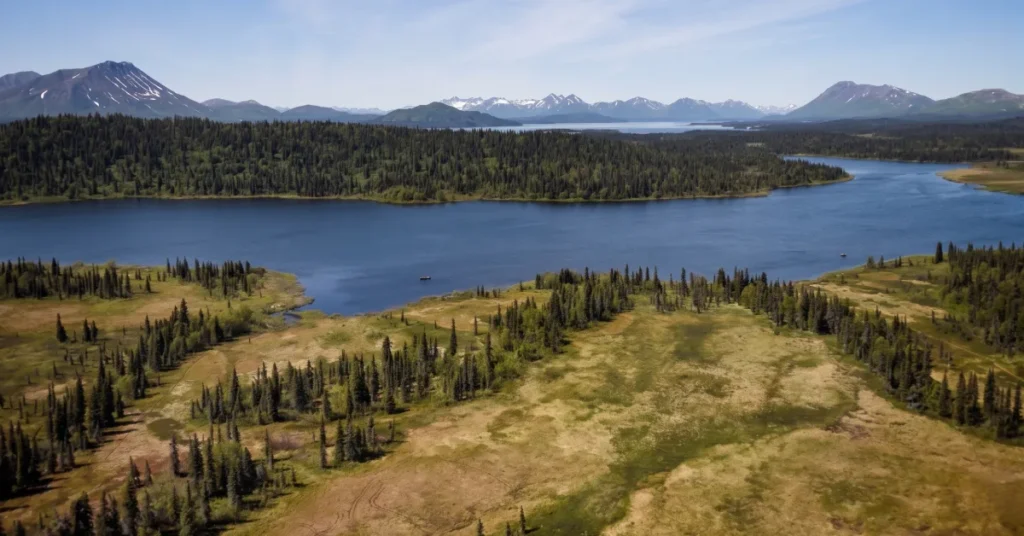
Near the headwaters of Alaska’s South Fork Koktuli River, North Fork Koktuli River, and Upper Talarik Creek, a proposed mine put salmon waters at the center of a long fight.
These streams and wetlands feed the wider Bristol Bay watershed. Water flows from the headwaters into rivers and toward the sea, while salmon return along that same route.
In its review of the 2020 Pebble Mine plan, the U.S. Environmental Protection Agency found that construction and operation would permanently eliminate about 8.5 miles of streams used by migrating fish, 91 additional miles of streams that support those fish, and 2,108 acres of wetlands and other waters. The agency also found that changes to streamflow would adversely affect about 29 miles of salmon streams farther downstream.
These were projected impacts, not damage that occurred. But they showed why protecting Bristol Bay from Pebble Mine mattered so deeply to the people who live there. A break at the headwaters could affect salmon, food, fishing, wildlife, family life, and culture across the watershed.
For Bristol Bay communities, this was never just an argument about a mine proposal. It was also about who gets to shape the future of their homeland.
Why Bristol Bay matters to Indigenous communities and salmon
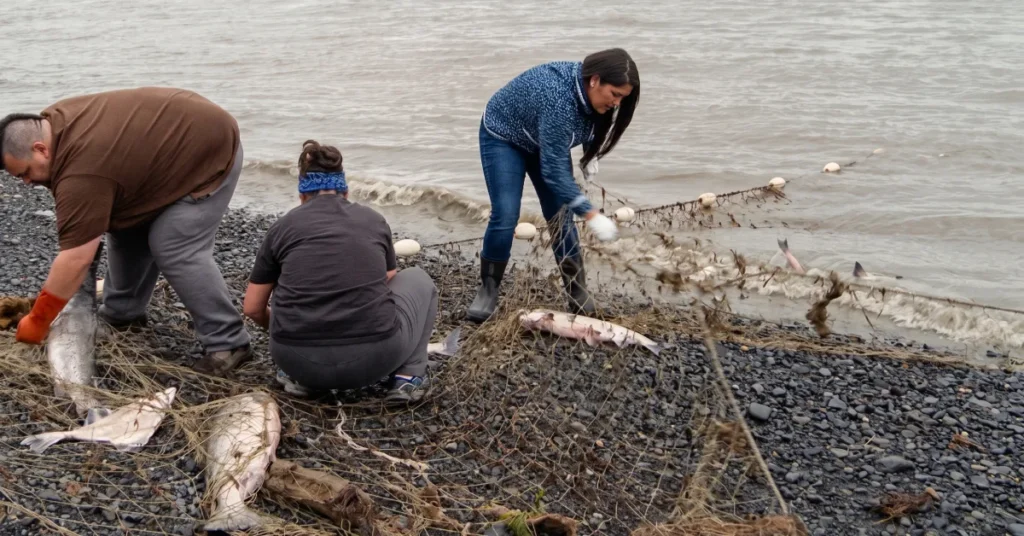
According to the EPA, Bristol Bay is home to 25 Alaska Native villages and communities. Its wetlands, lakes, rivers, estuaries, and coastal waters support vast runs of wild Pacific salmon. The watershed produces about half of the world’s sockeye salmon.
In 2025, the Alaska Department of Fish and Game recorded an inshore sockeye run of 56.8 million fish in Bristol Bay. Of those fish, 41.2 million were harvested commercially and 15.5 million reached spawning areas. These figures show the scale of the fishery, but they don’t tell the full story.
For Yup’ik, Dena’ina, and Alutiiq communities, salmon are food for families and a connection between generations. Fishing supports subsistence, local knowledge, cultural practices, and responsibilities to place. Salmon also support commercial and sport fishing and feed bears, birds, and other wildlife.
The EPA estimated that Bristol Bay supported about 15,000 jobs annually and generated an estimated $2.2 billion in 2019. A strong sockeye season doesn’t mean every salmon population is doing well, though. The watershed is large, diverse, and connected, making every healthy stream, wetland, and river valuable.
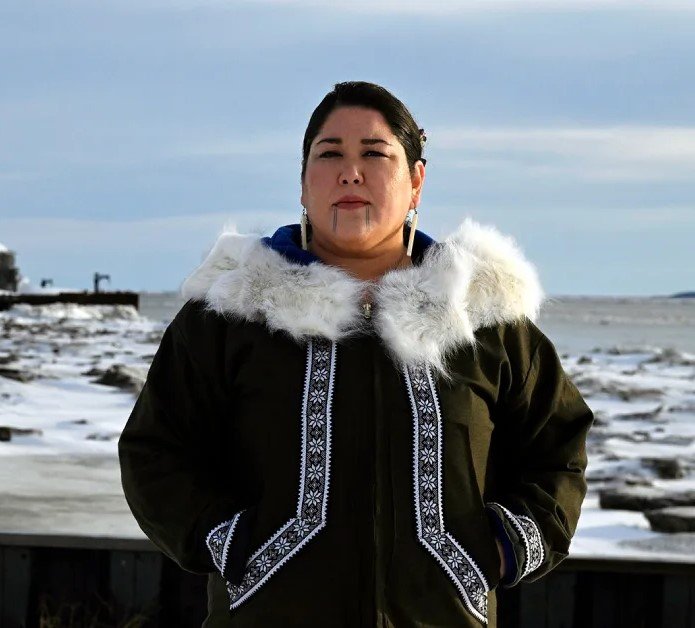
Who is Alannah Acaq Hurley?
Alannah Acaq Hurley is a Yup’ik leader from Saguyaq, also known as Clark’s Point, in Bristol Bay. Acaq is her Yup’ik name.
She has served as executive director of the United Tribes of Bristol Bay, or UTBB. According to UTBB, the organization brings together 15 Bristol Bay tribal governments.
Hurley’s connection to the Pebble Mine fight began early in her life. In a 2021 interview with Indian Country Today, She said the issue was emerging when she graduated from Dillingham High School in 2004. She described the threat as something that sharpened her commitment to tribal sovereignty and self-determination.
In practical terms, tribal sovereignty means tribes have the authority to speak and act for their communities. It means having a real voice in decisions about land, water, culture, and the future—not simply being asked for comments after outside plans are already underway.
The Goldman Environmental Prize reports that Hurley worked with local anti-mine groups while in college. After returning to Bristol Bay, local tribal leaders selected her to lead UTBB in 2013. Her role was part of something much larger: a campaign built over many years by tribal leaders, community members, fishers, organizers, scientists, and allies.
Building a coalition to defend Bristol Bay
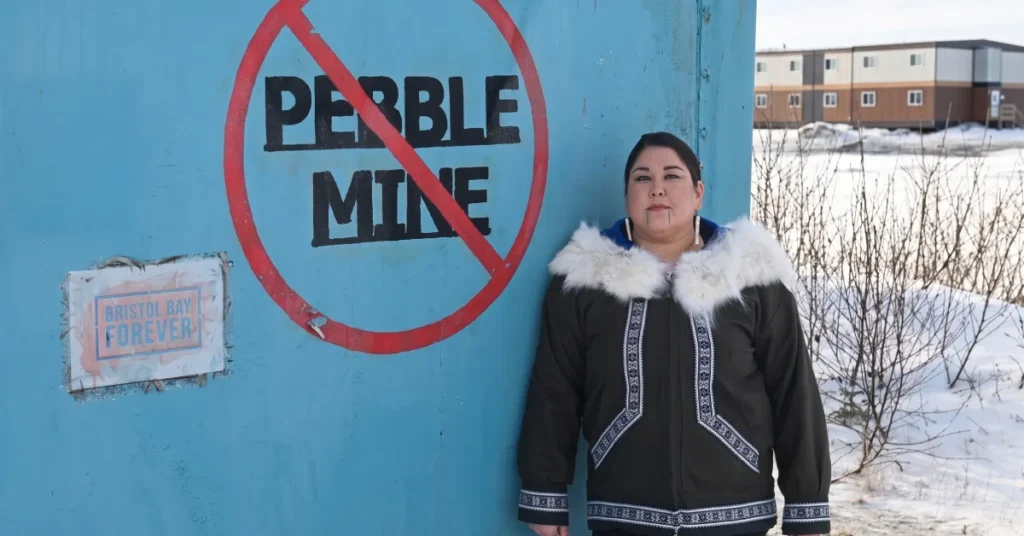
The Pebble Mine proposal moved through a long federal permitting process involving environmental studies, public hearings, technical reports, and public comments. The questions behind that process were close to home: What would happen to streams people fish from? Could wetlands still support salmon? Would future generations inherit the same waters and food sources?
Hurley and UTBB helped keep those questions in public view and helped bring tribal governments together. The wider coalition included:
- Bristol Bay tribal governments and residents
- Alaska Native organizations
- Commercial fishing interests
- Conservation organizations
- Other groups concerned about salmon habitat
The work took many forms. Communities held meetings, shared information, spoke at hearings, and submitted comments. Tribal leaders used government-to-government advocacy, while organizers connected local experience with scientific evidence about wetlands, streams, salmon, and the risks identified in the mine review.
The Goldman Environmental Prize profile reports that UTBB held dozens of community meetings during the 2017–2020 permitting period. It also reports that the broader coalition mobilized nearly 700,000 comments opposing the draft environmental impact statement.
A comment total alone doesn’t explain what happened. People organized before decisions were final and showed that Bristol Bay was not an empty place on a map. It was a living homeland, with communities ready to speak for its waters.
What the EPA Pebble Mine decision did—and did not do
In November 2020, the U.S. Army Corps of Engineers denied Pebble Limited Partnership’s permit application. The company appealed, and the Corps later sent the case back for further review. That remand did not approve the mine.
On January 30, 2023, the EPA issued its Final Determination under Section 404(c) of the Clean Water Act. The agency prohibited and restricted the use of certain Bristol Bay waters as places to dispose of dredged or fill material tied to development of the Pebble deposit.
Dredged or fill material can include rock, soil, or other material moved into waters and wetlands during construction. The EPA found that the specified mine-related discharges would have unacceptable adverse effects on salmon fishery areas.
The EPA Pebble Mine decision created a major protection for the waters reviewed under the 2020 plan. It followed years of scientific work, public input, tribal advocacy, and organizing by people determined to protect the watershed.
But the legal fight hasn’t fully ended. Northern Dynasty Minerals and Pebble Limited Partnership have challenged the EPA’s determination in court, and the State of Alaska has also brought legal challenges. As of 2026, the EPA action remains a significant protection, but its future is still being contested.
A collective win, and work that continues
In 2026, Alannah Acaq Hurley received the Goldman Environmental Prize for North America for her leadership in defending Bristol Bay.
The recognition honored Hurley, but she didn’t frame the work as hers alone. In remarks shared by UTBB, she credited tribal leaders, elders, communities, mentors, family, and allies.
That shared credit reflects the real story of Bristol Bay. Indigenous Nations and local communities led a broad effort to protect salmon waters. Fishers, conservation groups, and other supporters added their voices. Federal agencies made the legal decisions, while tribal leadership and public participation helped keep the watershed at the center of the debate.
Bristol Bay’s story reaches beyond Alaska. Conservation is often strongest when people closest to a place lead the work and when their knowledge, rights, and concerns are taken seriously.
Supporting community-led environmental conservation starts with listening to communities defending their lands and waters. You can also join conservation efforts closer to home by helping protect a local river, restore habitat, or stand up for wildlife.
Frequently asked questions
Where was the proposed Pebble Mine planned?
The proposed mine was planned at the Pebble deposit in the headwaters of the South Fork Koktuli River, North Fork Koktuli River, and Upper Talarik Creek. Those waters drain toward the Nushagak and Kvichak river systems, connecting the mine site to the wider Bristol Bay salmon watershed.
What does Section 404(c) mean here?
Section 404(c) allows the EPA to prohibit or restrict the use of defined waters as disposal sites for dredged or fill material when the agency finds unacceptable effects on fishery areas, wildlife, or recreation. In 2023, EPA used that authority for specified mine-related discharges connected to the Pebble deposit.
Is Pebble Mine permanently stopped?
The EPA’s 2023 action placed strong restrictions on the proposed plan and comparable or greater-impact proposals. The developer and State of Alaska have challenged that action in court, so Bristol Bay’s protections remain meaningful but contested. Wider development pressure also continues.