A warning from Jorepokhri
Jorepokhri Salamander Wildlife Sanctuary near Sukhiapokhri was created in 1985 to protect a rare amphibian and the wetland it needs.
But a protected label did not keep the habitat safe. In 2019, The Telegraph reported that the sanctuary’s marshland had been turned into a concrete lake, with tourist lodges nearby. No Himalayan salamanders were sighted there that year.
The report does not prove that construction caused the salamanders’ absence, or that they are gone forever. Still, Jorepokhri offers a clear warning. A sanctuary cannot protect wildlife if its water, plants and surrounding land are changed beyond recognition.
That is the problem behind Dr Barkha Subba’s work in the Darjeeling Hills. Protecting the Himalayan salamander means protecting the small mountain wetlands where it breeds, before they are drained, filled, built over or left to decline.
Who is Barkha Subba?
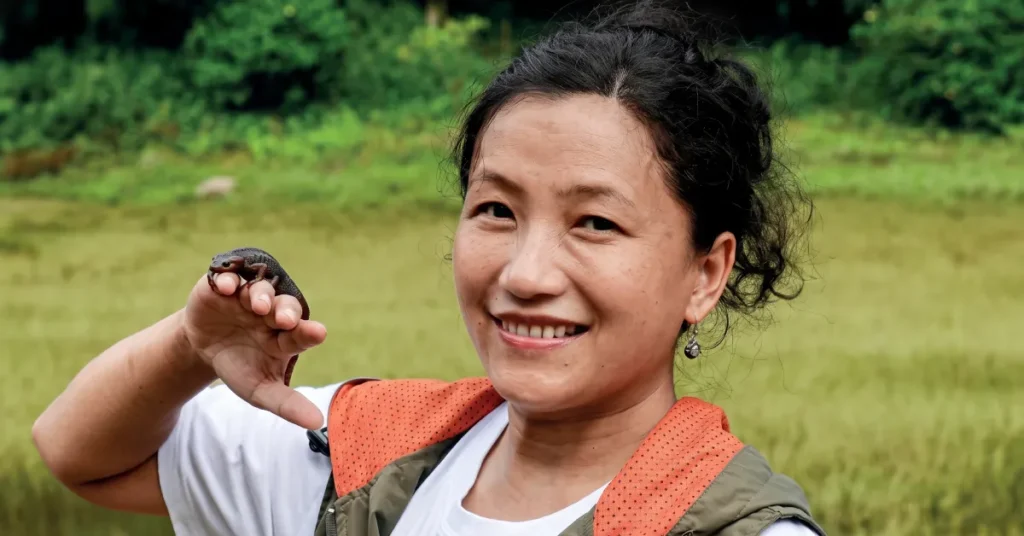
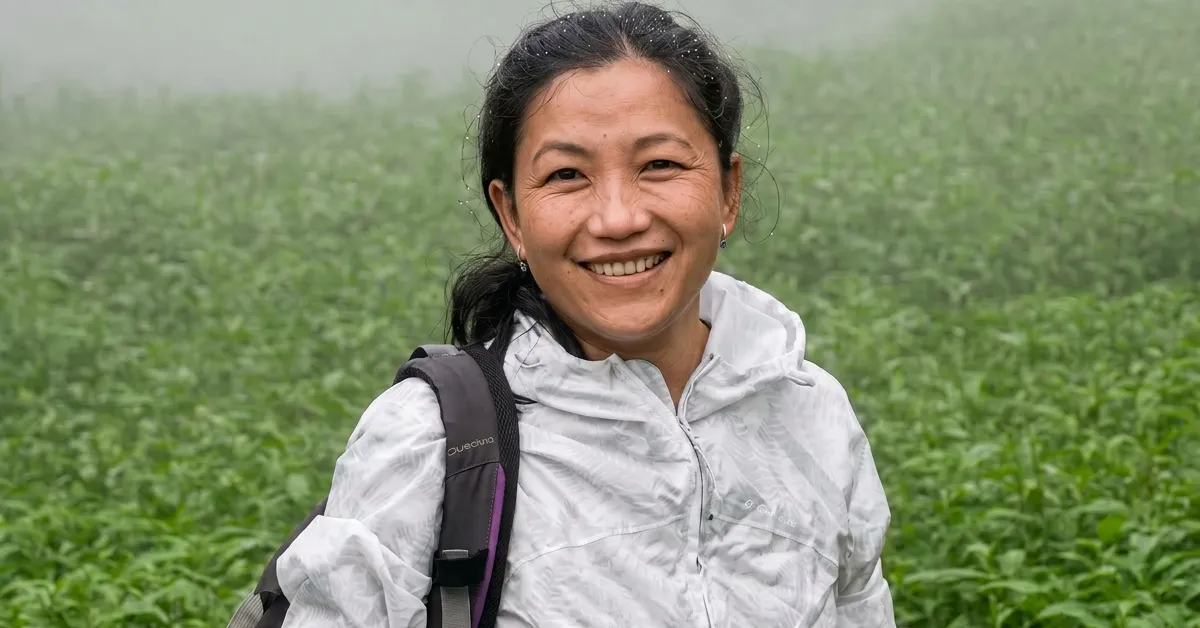
Dr Barkha Subba is a Darjeeling-based conservation scientist and an executive member of the Federation of Societies for Environmental Protection, better known as FOSEP. Whitley Fund for Nature also identifies her as FOSEP’s scientific adviser.
FOSEP is a Darjeeling-based environmental organisation founded in 1989. It works across a landscape of tea gardens, villages, forest edges, private land, community land and government-managed areas.
Subba has worked with Himalayan salamanders since 2008, when she was a research scholar at Padmaja Naidu Himalayan Zoological Park, according to an interview with Hindustan Times. Her doctoral research at the Ashoka Trust for Research in Ecology and the Environment examined frog assemblages in the Eastern Himalaya and their conservation implications.
That experience gives her a close view of the practical side of salamander protection: where animals breed, how ponds change through the year and what pressures nearby communities face.
Why Darjeeling’s wetlands matter
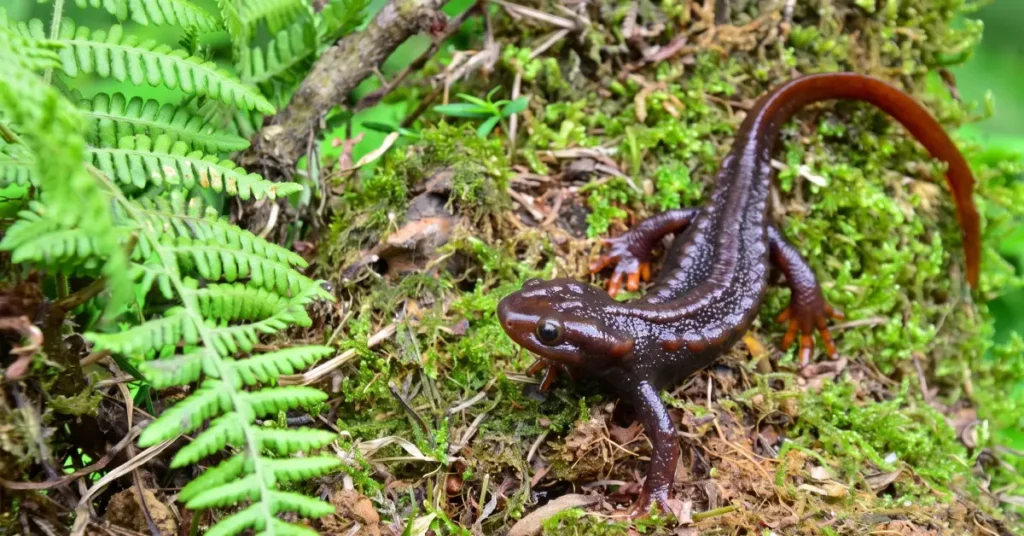
The Himalayan salamander’s current scientific name is Tylototriton himalayanus. Older research from Darjeeling often used Tylototriton verrucosus, reflecting an earlier classification.
The species lives in parts of the Eastern Himalayas, including Darjeeling District in India, Ilam District in Nepal and western Bhutan. It is classified as Vulnerable.
For this salamander, a wetland is more than a patch of water. It is a breeding ground. Whitley Fund for Nature says the animals return to their natal sites—the places where they were born—to reproduce.
That makes wetland loss especially damaging. If a breeding pond is drained, covered, concretised or heavily altered, another suitable site may not be close by.
A 2003 study shows how quickly this habitat can disappear. Researchers recorded 23 suitable breeding sites in their Darjeeling study area between 1998 and 2000. By June 2002, five had been destroyed and at least five others were threatened by drainage or covering.
Those figures are historical, not a count of today’s remaining wetlands. They still show why Himalayan salamander conservation cannot focus only on large forests or formal protected areas. Small, shaded mountain ponds need attention too.
A seven-site plan for salamanders and wetlands
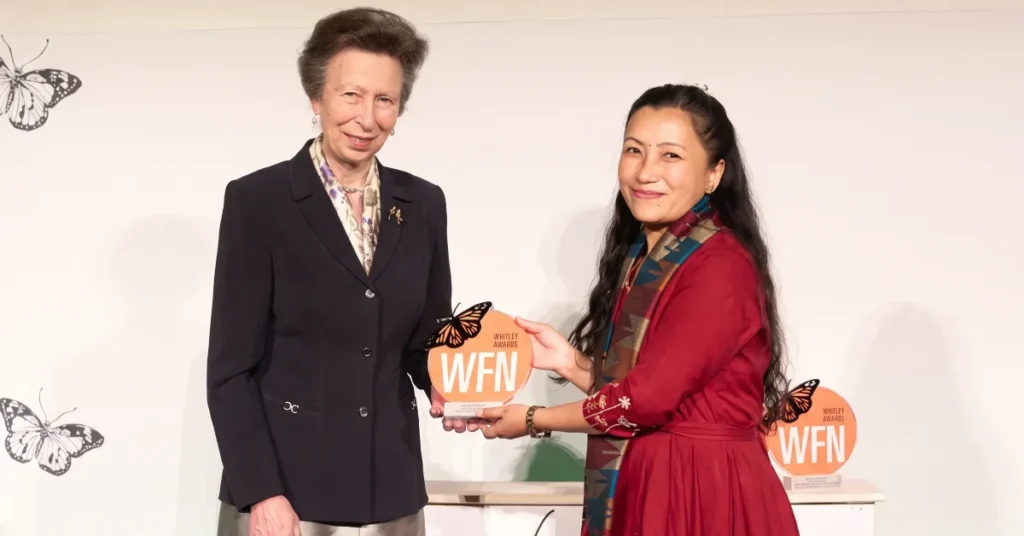
On April 29, 2026, Barkha Subba received a 2026 Whitley Award for her project, Survivor of a Lost World: Saving the Himalayan Salamander and Its Wetlands.
The award provides £50,000 in project funding over one year. It will support a new phase of work across seven priority salamander breeding wetlands in the Darjeeling Hills.
The programme will aim to:
- Invasive plants from wetland areas
- Restore Remove native wetland vegetation
- Improve breeding habitat
- Monitor salamander populations
- Check for chytrid fungus, a harmful amphibian disease
- Develop a conservation action plan
This work is planned for the coming phase. It is not a completed seven-site restoration programme.
Chytrid monitoring is precautionary. It does not mean the disease has been found in Darjeeling’s Himalayan salamanders. Monitoring can help conservation teams identify possible risks and build a clearer picture of amphibian health over time.
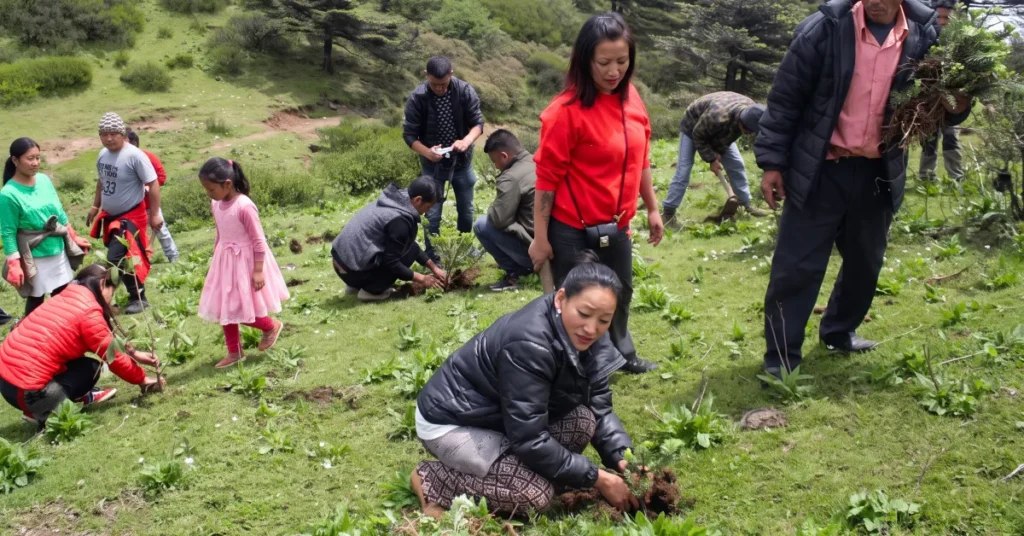
According to Whitley Fund for Nature, the project will involve more than 200 community members, tea-garden managers and school students. Tea-garden workers, women, young people, local leaders and students are among those expected to take part.
That shared role reflects the reality of the Darjeeling Hills. Many salamander wetlands are not in remote wilderness. They sit in working landscapes where people manage tea estates, travel, collect water and make daily decisions about nearby land.
Local knowledge can help people notice changes in ponds and streams, reduce disturbance around breeding sites and protect native vegetation. Planned training for women from tea estates is part of the project’s effort to share skills and decision-making across the community.
Community-led environmental conservation begins with that simple idea: people who live near natural places should have a meaningful role in caring for them.
Protecting wetlands beyond protected areas
Whitley Fund for Nature estimates that approximately 30 local Himalayan salamander breeding sites remain in the region. Many are outside protected areas.
The seven planned project sites span tea gardens, private land, government land, forest-department land and community land. The named locations are Margaret’s Hope, Nakhapani, Namthing Biodiversity Heritage Site, Majhidura, Mirik and two sites in Pokhriabong.
Each site may need different local support. A wetland in a tea-growing area may depend on estate managers and workers. A pond near a village may be affected by waste, grazing, water use or construction. Wetlands near tourism routes may need visitors and businesses to respect the limits of sensitive habitat.
The project also describes these wetlands as freshwater catchments for downstream communities. In simple terms, they are part of the landscape that holds and moves water downhill. Protecting them will not solve every local water challenge, but healthy wetland systems can support wildlife and the wider health of mountain catchments.
Responsible tourism matters too. Darjeeling’s forests, hills, wildlife and water draw visitors. Tourism development needs to avoid damaging the habitats people come to enjoy.
What long-term protection will take
The Whitley-supported programme is a forward-looking plan. Restoring wetlands, training local participants, monitoring disease risks and developing a conservation action plan will take time.
There is already field experience to build on. In May 2026, Hindustan Times reported that Subba’s team had surveyed 30 breeding sites over three years. The newspaper also reported that Subba, FOSEP and WWF-India had restored two acres of wetland on a private Darjeeling plot.
The available reporting does not show the ecological results of that restoration. It does show the value of careful surveys, local relationships and a close understanding of each wetland.
Wetland restoration is not a one-day clean-up. Native plants need time to grow back, water levels need watching and nearby land use matters across seasons. Jorepokhri shows what can be lost when a wetland’s ecological needs are overlooked. Subba’s programme points to a different approach: protect living breeding sites, work with the people around them and keep learning from the landscape.
Standing with local wetland guardians
Barkha Subba and FOSEP’s work shows that protecting a Vulnerable amphibian also means protecting the wetlands that support it.
Respecting wetlands, choosing responsible tourism and supporting locally led conservation can all help. The Nature Guardians is sharing this work as an example of place-based conservation leadership, not claiming to run or fund FOSEP’s programme.
Readers who want to back wider grassroots efforts can support environmental conservation projects or volunteer for environmental conservation.
Frequently asked questions
Who is Dr Barkha Subba, and what is her role with FOSEP?
Dr Barkha Subba is a Darjeeling-based conservation scientist and an executive member of FOSEP. Whitley Fund for Nature identifies her as FOSEP’s scientific adviser.
What is the Himalayan salamander, and where does it live?
The Himalayan salamander is Tylototriton himalayanus. Its recognised range includes parts of India, Nepal and Bhutan, and it is classified as Vulnerable.
Why are Darjeeling’s wetlands important for salamander breeding?
Himalayan salamanders return to natural wetlands to breed. When ponds are drained, filled, concretised or badly altered, they can lose the habitat needed for reproduction.
What threats do wetland loss, development and tourism create?
Historic research recorded the loss of salamander breeding ponds in the Darjeeling area. Jorepokhri is a reported example of wetland alteration alongside tourism development, though pressures vary from place to place.