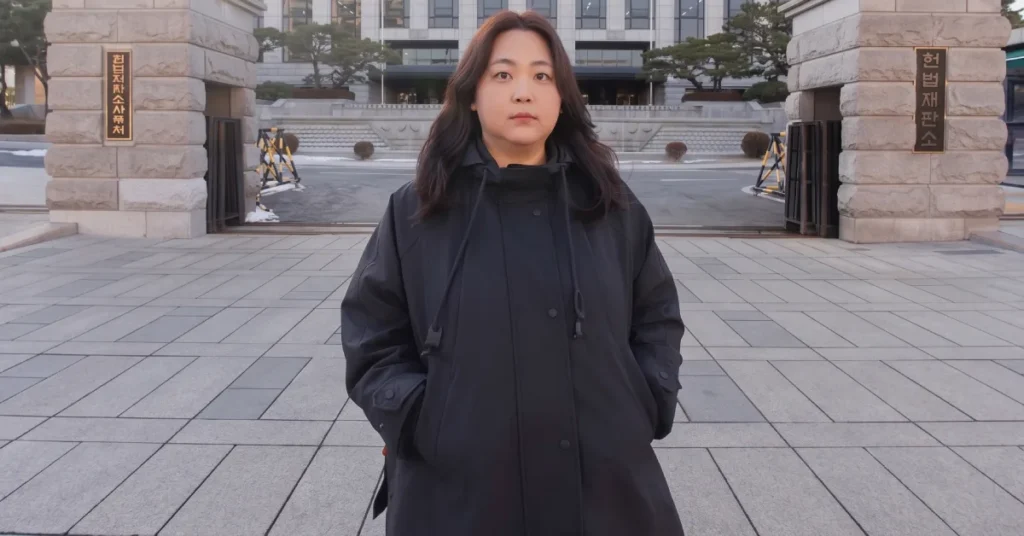
Nineteen Young People took South Korea’s Climate Future to Court
In March 2020, 19 young people in South Korea chose a new way to press for climate action. Alongside protests and public campaigning, they filed a constitutional complaint against the government.
Organized through Youth 4 Climate Action (Y4CA), the young plaintiffs challenged a gap in South Korea’s climate law. The country had an emissions target for 2030 and a legal goal of net-zero emissions by 2050, but no quantified emissions-reduction path for 2031 to 2049.
Those missing years mattered. Without clear targets across the period, future generations could face a steeper task: cutting emissions faster while living with greater climate damage.
Four years later, the complaint helped bring a landmark ruling from the Constitutional Court of Korea.
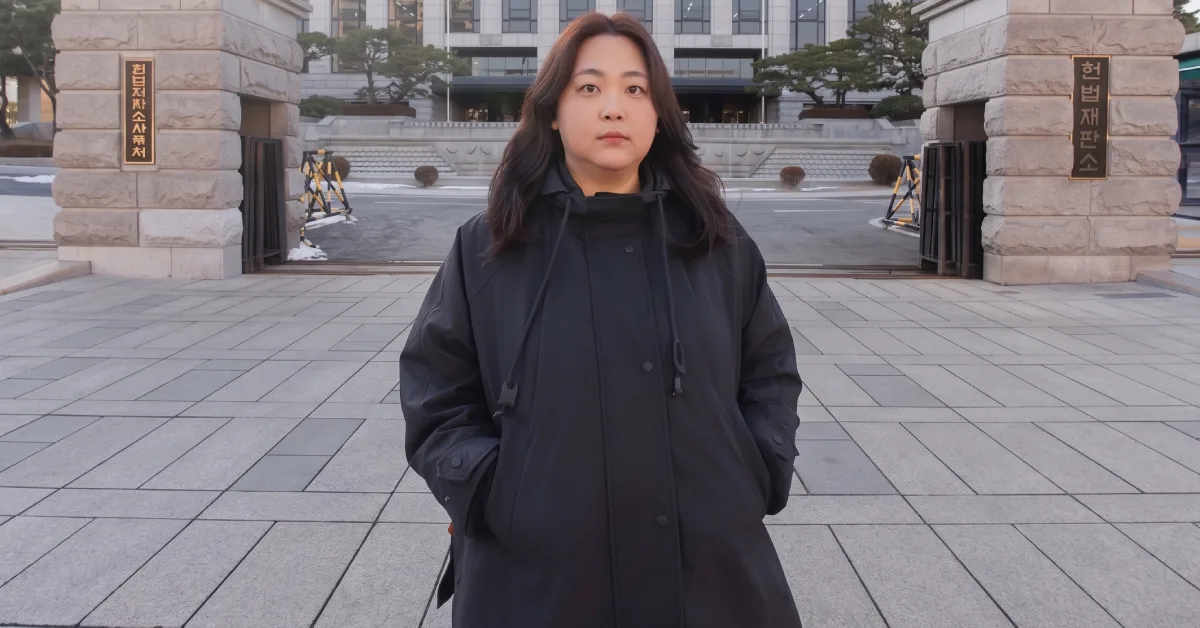
Who is Borim Kim and what is Youth 4 Climate Action?
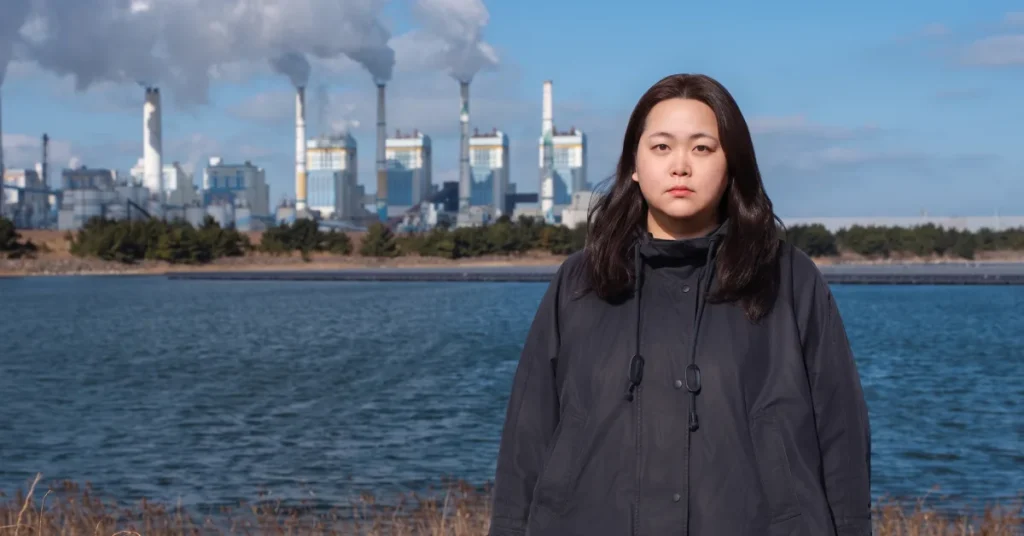
Borim Kim is a South Korean climate activist and founder of Youth 4 Climate Action, a youth-led climate-justice organization associated with the country’s school-strike movement.
Kim helped organize young people who wanted climate concerns heard in public, political, and legal spaces. But this was never one person’s case.
The first complaint involved 19 youth plaintiffs. Lawyers developed the constitutional arguments, while other citizens, children, and civil-society groups filed related cases and added their voices. By the time the court ruled, more than 200 plaintiffs were involved across connected cases.
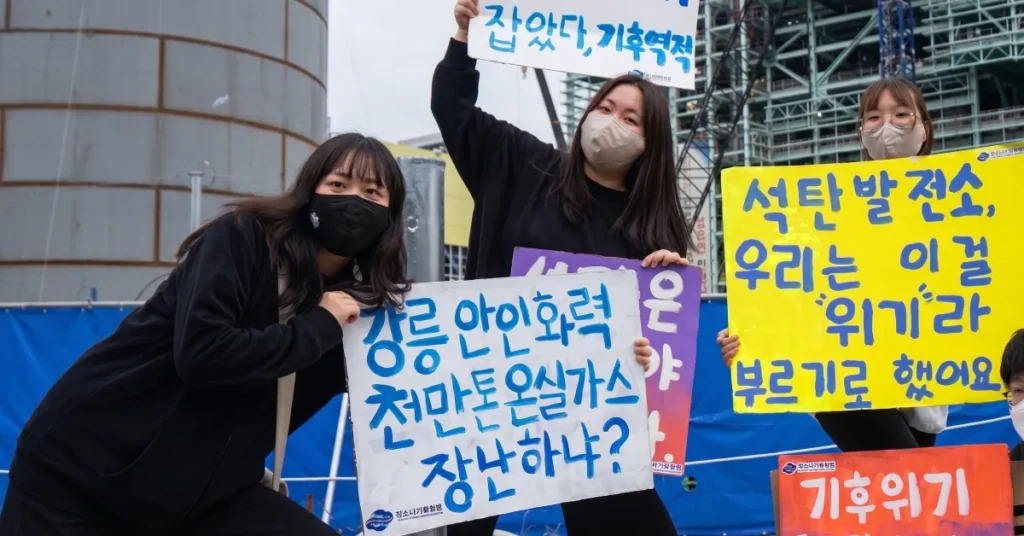
That wider effort brought public campaigning and legal advocacy together. School strikes, rallies, petitions, and public meetings changed the conversation around climate change. The court case asked whether the government was meeting its legal duties.
Why the missing years mattered
South Korea’s climate framework includes a target to cut greenhouse-gas emissions by 40% below 2018 levels by 2030. It also sets a legal goal of reaching net zero by 2050.
Net zero is a long-term destination, but reaching it depends on the reductions made each year along the way. The plaintiffs argued that a target near the start of the period and another at the end were not enough if most of the years in between had no quantified targets.
It was like setting a departure time and an arrival time without planning the route. The hardest part could be left until the end.
When emissions cuts are delayed, later reductions may need to be sharper and more disruptive. Meanwhile, more heat-trapping pollution builds up in the atmosphere. The young plaintiffs argued that this could leave people their age and future generations with a heavier burden.
This is the central idea behind climate rights of future generations: climate policy is also about sharing responsibility fairly across time.
What the Constitutional Court decided in 2024
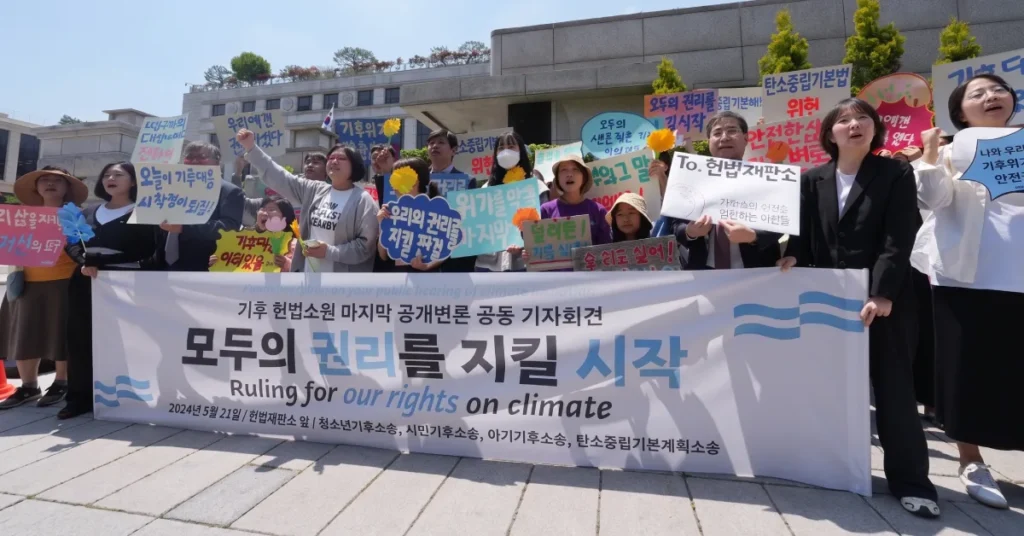
On August 29, 2024, the Constitutional Court of Korea ruled on four consolidated climate cases, including the original complaint linked to Y4CA.
The court focused on Article 8(1) of South Korea’s Carbon Neutrality Framework Act. That part of the law did not contain quantified emissions-reduction targets for 2031 to 2049.
The court found that the gap failed to provide for gradual, continuous emissions cuts on the way to 2050. It said the arrangement could place an excessive burden on future generations. The provision was ruled not to conform to the Constitution.
The decision was a major moment for youth climate action, but it was limited. The court did not strike down all of South Korea’s climate laws. It did not order the government to close specific coal plants, build a set amount of renewable energy, or adopt particular policies for transport, housing, or industry.
It also did not invalidate South Korea’s 2030 emissions target. The court said that target alone could not be judged constitutionally insufficient under the legal standard in the case. That was not a finding that the target was climate-safe or the best possible target.
The ruling addressed one specific failure: the missing emissions pathway from 2031 to 2049.
A landmark ruling, with unfinished work ahead
The court kept the provision temporarily in force and gave South Korea’s National Assembly until February 28, 2026 to correct the gap.
The court did not write new emissions targets itself. Lawmakers had to turn the ruling into amended legislation, workable plans, and real emissions cuts.
As of the official law version reviewed in June 2026, the earlier language was still displayed. In July 2026, reporting said a parliamentary committee had agreed on proposed target ranges for 2035, 2040, and 2045, but the proposal was still expected to go to a later plenary vote.
The next stage therefore remained unresolved. A legal victory can create accountability, but its environmental effect depends on durable law, credible plans, and measurable reductions.
Why this youth climate case matters beyond South Korea
The South Korea youth climate lawsuit showed that young people can frame climate change as a question of rights, not only science or politics.
The Goldman Environmental Prize describes the result as Asia’s first successful youth-led climate litigation. Reuters described the 2024 decision as the first high-court ruling on government climate action in Asia. These descriptions are attributed accounts of the case’s regional significance, not proof that one ruling will change climate policy across Asia.
The case does show that young people can challenge the idea that governments may delay climate action and leave the consequences to those who will live longest with them.
In 2026, Borim Kim received the Goldman Environmental Prize for Asia. The award recognized her youth-led work with Y4CA and the wider plaintiff coalition. It recognized organizing and legal advocacy, not a claim that South Korea’s climate challenge has been solved.
Supporting youth-led action for future generations
Borim Kim, Youth 4 Climate Action, and the young plaintiffs showed what organized action can do. Their case did not end the climate crisis or set South Korea’s future emissions targets, but it made one principle harder to ignore: future generations should not carry the cost of political delay.
Supporting youth leaders means listening, respecting community leadership, and staying involved after public attention moves on.
Learn more about community-led environmental conservation and find ways to volunteer for environmental conservation in your own community. Local volunteering is not the same as a constitutional court case, but it can help build stronger care for people, places, and future generations.
FAQs about Borim Kim and South Korea’s youth climate case
Who is Borim Kim and what is Youth 4 Climate Action?
Borim Kim is a South Korean climate activist and founder of Youth 4 Climate Action. Y4CA is a youth-led South Korean climate-justice organization associated with the school-strike movement. It helped organize the first 19 young plaintiffs in the constitutional complaint filed in 2020.
What did the Constitutional Court decide?
On August 29, 2024, the Constitutional Court of Korea found that Article 8(1) of the Carbon Neutrality Framework Act did not conform to the Constitution because it lacked quantified targets for 2031 to 2049. The court said the gap did not support gradual, continuous emissions cuts and could place an excessive burden on the future.
Did the court set new emissions targets?
No. The court did not set specific targets itself. It kept the provision temporarily in force and gave the National Assembly until February 28, 2026 to correct the law. The legislative follow-through will determine whether the ruling leads to lasting climate action.